Table of Contents
⚡ Quick Summary
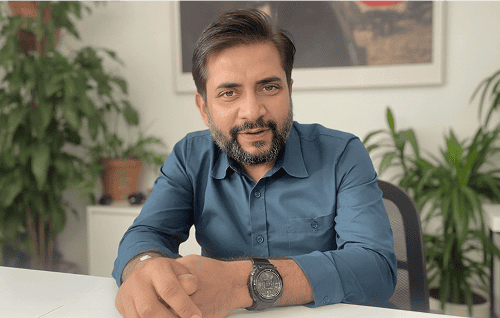
Career coach Sawan Kumar emphasizes that gratitude toward all experiences, especially negative ones, combined with continuous learning, creates the foundation for career success. This approach transforms setbacks into opportunities, builds resilience, and maintains competitive advantage in today's evolving job market.🎯 Key Takeaways
- ✔Gratitude toward all professional experiences, including negative ones, creates opportunities for growth and builds resilience.
- ✔Negative feedback and criticism often contain the most valuable career insights when approached with the right mindset.
- ✔Continuous learning using the 70-20-10 framework ensures balanced professional development and competitive advantage.
- ✔Grateful professionals demonstrate 25% higher job satisfaction and are more likely to receive promotions and opportunities.
- ✔Investing 5-10 hours weekly in strategic skill development compounds over time, creating significant career advantages.
- ✔Documenting challenges and extracting lessons helps transform setbacks into valuable professional experiences.
- ✔Career success requires both emotional intelligence through gratitude and practical intelligence through continuous learning.
🔍 In-Depth Guide
The Psychology Behind Gratitude in Career Development
Research shows that gratitude activates the brain's reward system, releasing dopamine and serotonin that improve mood and motivation. In career contexts, grateful individuals demonstrate 25% higher job satisfaction and 31% higher productivity according to studies by the University of Pennsylvania. This positive mindset creates a ripple effect, improving relationships with colleagues, supervisors, and clients. Grateful professionals are more likely to receive promotions, recommendations, and new opportunities because they're perceived as positive team members. The practice involves more than saying 'thank you'u2014it requires genuine appreciation for growth opportunities, even when they come disguised as challenges. Career coaches recommend keeping a gratitude journal, writing down three professional experiences you're thankful for each week. This exercise trains your brain to identify positive aspects in difficult situations, building resilience and emotional intelligence that employers value highly.Transforming Negative Feedback into Career Fuel
Negative feedback and criticism often contain the most valuable career insights, though they're difficult to receive initially. Successful professionals learn to separate emotional reactions from factual information, extracting actionable advice from harsh criticism. When someone suggests your career doors are closing, this becomes an opportunity to prove your capabilities and create new pathways. The key lies in asking follow-up questions: What specific skills need improvement? Which areas require development? How can this feedback guide future career decisions? Career coach Sawan Kumar emphasizes using negativity as motivation rather than discouragement. Document critical feedback, create improvement plans, and track progress over time. This systematic approach transforms criticism into career development roadmaps. Many successful professionals credit their biggest critics with providing the push needed to exceed expectations and achieve breakthrough results. The goal isn't to please everyone, but to extract value from every interaction.Building a Strategic Learning Framework for Career Growth
Effective career learning requires strategy beyond random skill acquisition. Start by conducting a skills gap analysis, comparing your current capabilities with requirements for your target roles. Industry reports and job postings reveal trending skills and emerging competencies. Allocate 70% of learning time to skills directly relevant to current responsibilities, 20% to adjacent skills that could expand your role, and 10% to completely new areas that might represent future opportunities. This 70-20-10 framework, popularized by Google, ensures balanced professional development. Create learning schedules with specific time blocks for different activities: online courses, industry reading, networking events, and practical skill application. Track progress using metrics like courses completed, certifications earned, and new responsibilities gained. The most successful professionals treat learning as a continuous process rather than sporadic activity, investing 5-10 hours weekly in skill development. This consistent approach compounds over time, creating significant career advantages and opening unexpected opportunities.💡 Recommended Resources
📚 Article Summary
Gratitude and continuous learning form the foundation of successful career development, as demonstrated by career coach Sawan Kumar’s philosophy. When facing professional challenges, maintaining a grateful mindset toward all experiences—including negative ones—creates opportunities for growth and resilience. This approach transforms setbacks into stepping stones, allowing individuals to view closed doors as motivation to create new pathways.The concept of gratitude in career development extends beyond simple appreciation. It involves recognizing that every person who enters your professional journey, whether supportive or challenging, contributes to your growth. Negative experiences often provide the most valuable lessons, teaching resilience, problem-solving skills, and the importance of self-reliance. When someone tells you that your opportunities are limited, this feedback can become fuel for proving them wrong and exceeding expectations.Continuous learning represents the second pillar of career success. In today’s rapidly evolving job market, professionals who commit to ongoing education and skill development maintain competitive advantages. This learning mindset involves staying curious, seeking feedback, embracing new technologies, and adapting to industry changes. Career coaches emphasize that learning should be intentional and strategic, focusing on skills that align with career goals and market demands.The combination of gratitude and learning creates a powerful framework for career advancement. Grateful professionals tend to build stronger relationships, receive more opportunities, and maintain positive reputations. Meanwhile, those committed to learning stay relevant and valuable in their fields. This dual approach helps individuals navigate career transitions, overcome obstacles, and achieve long-term professional success.Implementing this philosophy requires daily practice and intentional mindset shifts. Start each day by identifying three things you’re grateful for in your career, including challenges that helped you grow. Set aside time weekly for learning new skills or gaining knowledge relevant to your field. Document your progress and celebrate small wins along the way, maintaining momentum toward larger career objectives.
❓ Frequently Asked Questions
📘
New Book by Sawan Kumar
The AI-Proof StudentGraduate with skills machines can't replace — future-proof your career.

Written by
Sawan Kumar
I'm Sawan Kumar — I started my journey as a Chartered Accountant and evolved into a Techpreneur, Coach, and creator of the MADE EASY™ Framework.
Free Mini-Course
Want to master AI & Business Automation?
Get free access to step-by-step video lessons from Sawan Kumar. Join 55,000+ students already learning.
Start Free Course →